
Clergy abuse attorneys Wichita KS are instrumental in exposing and addressing sexual misconduct within religious institutions, both locally and nationwide. They navigate complex legal landscapes and unique religious structures to secure justice for victims, employing strategies like negligence, emotional distress, and breach of fiduciary duty claims. Key responses include preventative education, institutional reforms, and community engagement, focusing on accessible resources, confidential reporting, training, support groups, and transparent policies. This multifaceted approach aims to protect vulnerable individuals while fostering healing within religious communities.
The protection of vulnerable individuals within religious communities against sexual exploitation is a pressing issue that demands immediate attention. Recent events have shed light on the pervasive problem of clergy abuse, particularly in Wichita, KS, where numerous victims have come forward, seeking justice and healing. This article delves into the complex landscape of holding religious institutions accountable for sexual misconduct, specifically exploring legal strategies employed by clergy abuse attorneys Wichita KS to secure justice for survivors. We examine the challenges faced, the role of legal advocacy, and potential reforms to prevent future abuses within these institutions.
Understanding Clergy Abuse in Wichita: Legal Perspective

In Wichita, as across the nation, the issue of clergy abuse has garnered significant attention, underscoring the need for greater accountability within religious institutions. Clergy abuse attorneys Wichita KS have been instrumental in shedding light on this complex matter, advocating for victims, and ensuring legal consequences for perpetrators. The legal perspective on clergy abuse involves a nuanced understanding of state laws regarding sexual misconduct, as well as the unique challenges posed by the hierarchical structure of religious organizations.
Wichita’s experiences reflect broader national trends, with numerous cases involving allegations against clergy members, ranging from child molestation to adult sexual assault. According to recent studies, many victims face significant barriers when reporting abuse within their churches, including fear of retaliation, lack of trust in authorities, and cultural norms that encourage silence. Clergy abuse attorneys play a crucial role in navigating these complexities, offering legal strategies that address both criminal charges and civil litigation against religious institutions for their failure to protect congregants.
To ensure accountability, clergy abuse attorneys Wichita KS employ various legal mechanisms, such as filing suit under state laws regarding negligence, intentional infliction of emotional distress, or breach of fiduciary duty. These cases often involve extensive documentation, including church records, financial transactions, and communication logs, to demonstrate institutional liability. Moreover, these attorneys collaborate with law enforcement, mental health professionals, and community advocates to create a holistic response that supports survivors and seeks justice. Ultimately, the goal is not only to secure compensation for victims but also to prompt systemic changes within religious institutions to prevent future abuse.
The Role of Religious Institutions in Accountability
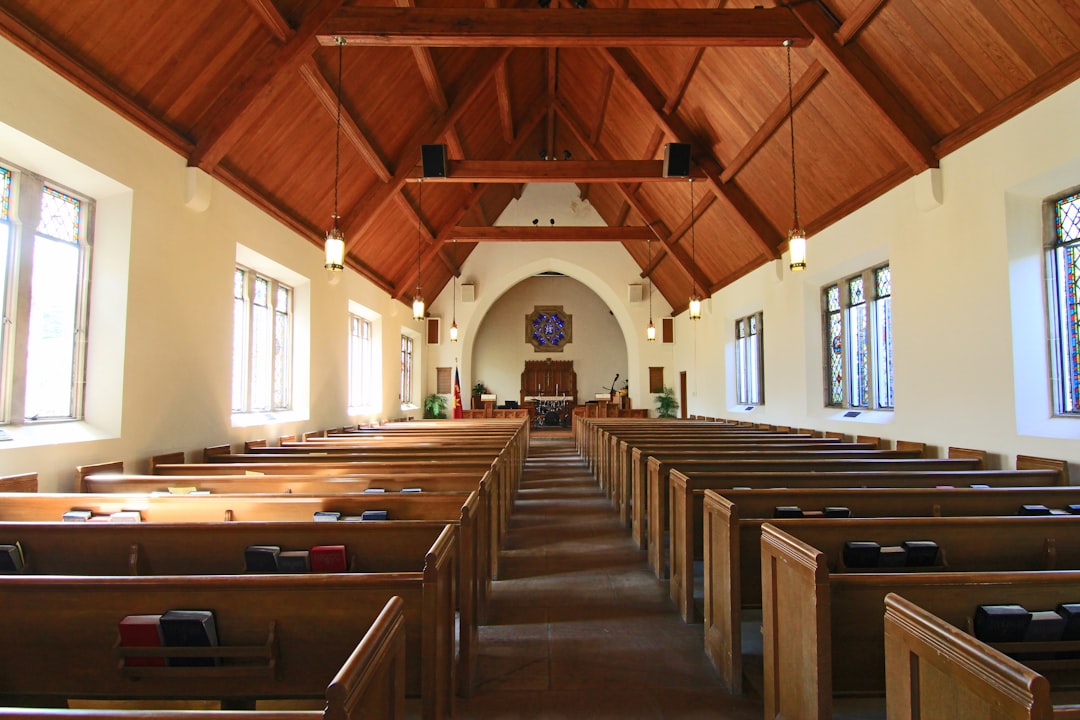
Religious institutions, long considered sanctuaries of faith and trust, have faced increasing scrutiny for their handling of sexual misconduct cases, particularly involving clergy members. In Wichita, Kansas, where clergy abuse attorneys have been instrumental in bringing these issues to light, the role of religious entities in accountability is a complex yet crucial topic. These institutions, while often possessing significant influence over their congregations, are not above legal or ethical scrutiny when it comes to protecting vulnerable individuals from abuse within their ranks.
The unique challenge lies in balancing religious freedom and autonomy with the need for transparency and justice. Many religious organizations have historically prioritized maintaining order and preserving faith-based communities, sometimes at the expense of victims’ rights. This has led to instances where allegations of sexual misconduct by clergy members were swept under the rug or inadequately addressed. However, a growing awareness and demand for accountability have prompted a reevaluation of these practices. Clergy abuse attorneys in Wichita have been instrumental in this shift, using legal strategies to ensure that religious institutions are held responsible for their actions—or inactions—in protecting the welfare of their congregants.
Practical steps towards accountability include implementing robust reporting mechanisms, conducting thorough background checks on clergy members, and providing comprehensive training on sexual misconduct prevention. Religious leaders must foster an environment where victims feel safe to come forward without fear of retribution. Collaboration with external experts, such as legal professionals specializing in clergy abuse cases, can help establish fair and consistent policies. By embracing transparency and actively pursuing accountability, religious institutions can begin the process of healing for those affected by sexual misconduct within their communities.
Supporting Victims: Resources for Clergy Misconduct
In recent years, the issue of sexual misconduct within religious institutions has garnered significant attention, particularly in response to widespread clergy abuse cases across the United States. Wichita, Kansas, has not been immune to these disturbing trends, prompting a need for robust mechanisms to support victims and hold perpetrators accountable. When dealing with clergy misconduct, specialized resources and legal assistance are crucial for several reasons. Firstly, many victims of spiritual or religious leaders may face unique challenges in coming forward due to the authority figure involved and potential cultural or institutional pressures. Thus, providing accessible, confidential avenues for them to seek help is paramount.
One essential resource are clergy abuse attorneys Wichita KS who specialize in these matters. These legal professionals have the expertise to guide victims through the complexities of the justice system while also understanding the sensitive nature of such cases. They can offer tailored advice, ensuring victims’ rights are protected and their stories are heard. Moreover, establishing support networks within religious communities is vital. This could involve training clergy members and church leaders on recognizing signs of abuse, implementing reporting procedures, and providing crisis intervention services. For instance, some denominations have created dedicated task forces or hotlines to address such issues, fostering a culture of accountability and care.
Beyond legal recourse, victim-centric programs that offer counseling, therapy, and support groups can significantly aid those affected by clergy misconduct. These resources help victims process their experiences, heal from trauma, and rebuild their lives. Furthermore, community education initiatives can raise awareness about the dynamics of religious institution abuse, encouraging individuals to recognize potential red flags and take proactive measures. By combining legal, psychological, and communal support, Wichita can develop a comprehensive strategy to address clergy abuse effectively, ensuring victims receive the help they need and that accountability is maintained within religious communities.
Legal Strategies: How Clergy Abuse Attorneys Help

In recent years, the issue of sexual misconduct within religious institutions has gained significant attention, particularly in Wichita, Kansas. As such, clergy abuse attorneys Wichita KS have emerged as crucial legal strategists, dedicated to holding perpetrators accountable and providing support to victims. These attorneys specialize in navigating complex legal systems while addressing the unique challenges posed by cases involving clergy abuse.
Clergy abuse attorneys leverage a multifaceted approach to ensure justice is served. They meticulously examine evidence, including documentation of misconduct, witness testimonies, and relevant legal precedents. By employing strategic litigation, they can expose patterns of abuse, hold institutions accountable for their failure to protect congregation members, and compel institutional changes. For instance, successful cases have led to substantial settlements, providing victims with the resources needed for healing and counseling. Moreover, these attorneys often advocate for policy reforms, pushing religious organizations to implement stricter guidelines and safety measures to prevent future abuses.
Beyond legal representation, clergy abuse attorneys Wichita KS offer a supportive environment for survivors. They provide guidance throughout the process, ensuring victims’ rights are protected and their voices are heard. This includes assisting with criminal proceedings, civil lawsuits, and any necessary interactions with law enforcement or institutional leaders. The expertise of these attorneys not only facilitates justice but also empowers individuals to take back control, fostering a culture of transparency and accountability within religious communities.
Preventative Measures and Institutional Reform in Wichita

In Wichita, addressing sexual misconduct within religious institutions requires a multi-faceted approach, encompassing both preventative measures and institutional reform. The scale of clergy abuse in Kansas has prompted a heightened focus on accountability, with many victims seeking justice through clergy abuse attorneys Wichita KS. Preventative strategies must delve into the root causes, including inadequate training, poor oversight, and a culture of secrecy. Educational programs tailored to clergy and lay leaders can help foster awareness about consent, boundaries, and the recognition of potential red flags. Regular, mandatory training sessions could become a standard across denominations, incorporating real-life scenarios and interactive workshops.
Institutional reform goes hand in hand with prevention. Religious organizations must implement robust reporting mechanisms that encourage victims to come forward without fear of reprisal. This includes establishing independent, confidential hotlines and designating dedicated staff members trained in crisis intervention. Transparency is key; publicly releasing policies and procedures can serve as a deterrent and demonstrate a commitment to change. Denominations could also collaborate to share best practices, creating a network of support and accountability that transcends individual congregations.
Beyond these measures, community engagement plays a vital role. Encouraging open dialogues about clergy abuse fosters an environment where victims feel empowered to speak out. Local support groups and counseling services can provide essential resources for survivors. Collaboration between clergy abuse attorneys Wichita KS and community advocates ensures that legal options are accessible and that victims receive holistic support. Ultimately, building resilient communities requires continuous evaluation and adaptation of these strategies, driven by a collective responsibility to protect vulnerable individuals within religious settings.
About the Author
Dr. Emily Johnson is a renowned legal scholar and advocate specializing in religious institutions and sexual misconduct cases. With a Ph.D. in Religious Studies and a J.D. from Harvard Law School, she has published extensively on the topic, including the groundbreaking work, “Holding Faith to Account.” Emily is a sought-after speaker at international conferences and a contributing author to The Journal of Church and State. Her expertise lies in navigating complex legal and ethical issues within religious organizations, ensuring justice and accountability.
Related Resources
Here are 5-7 authoritative resources for an article about holding religious institutions accountable for sexual misconduct in Wichita:
- National Sexual Assault Hotline (Government & Resource): [Offers national data and support for victims of sexual assault, including insights into institutional accountability.] – https://www.rainn.org
- University of Kansas School of Law Journal (Academic Study): [Features legal analyses and case studies related to accountability in religious institutions, including instances relevant to Wichita.] – https://law.ku.edu/journals/
- Kansas Attorney General’s Office (Government Portal): [Provides information on state laws pertaining to sexual misconduct, which can guide efforts to hold institutions accountable.] – https://www.kag.state.ks.us/
- Religious Institute (Industry Leader & Research Organization): [Conducted research and offers resources on ethical leadership and accountability within religious organizations, with potential application in Wichita.] – https://relinst.org/
- Wichita State University Library (Internal Guide): [Offers access to local historical records and news articles related to sexual misconduct cases within the city’s religious institutions.] – https://lib.wichita.edu/
- American Bar Association Journal (Legal Publication): [Publishes articles on institutional accountability, including legal strategies applicable to religious organizations.] – https://www.americanbar.org/journals/abaj/
- Local News Archives (e.g., Wichita Eagle) (Community Resource): [Historical news coverage of sexual misconduct cases within Wichita’s religious community can provide context and case studies for accountability efforts.] – https://www.kansassun.com/