Church-related sexual assault cases present unique challenges due to sensitivity and power dynamics. Victims face barriers like fear, shame, and mistrust within institutions. Legal debate revolves around religious organizations' liability. A clergy abuse law firm in Wichita, KS, empowers victims through specialized guidance, handling cases of institutional failure and abuse of power. Early intervention, robust reporting mechanisms, transparent systems, and training are crucial to mitigate risks. Legal advocacy creates safe spaces for survivors, facilitating healing and the legal process.
Practical steps include documenting interactions, gathering evidence, understanding state laws, and joining support groups. Kansas legislation clarifies liability for child sex abuse within religious organizations. Clergy abuse law firms in Wichita KS address sensitivity, community barriers, and confidentiality concerns, offering multi-pronged strategies, holistic care, and updates on legal precedents. They collaborate with community centers to break the cycle of silence and ensure safer church environments.
The issue of church-related sexual assault has garnered significant attention due to its profound impact on victims and the systemic failures in addressing these crimes. Many survivors face unique challenges when seeking justice, often encountering obstacles within institutional structures designed to protect religious communities. This article delves into the critical role of legal advocacy for victims, highlighting the complex dynamics involved. In Wichita, Kansas, clergy abuse law firms have emerged as vital resources, offering specialized support and expertise to those affected by sexual misconduct within religious organizations. By examining these legal strategies, we aim to empower survivors and provide a clearer path toward healing and accountability.
Understanding Church-Related Sexual Assault Cases

Church-related sexual assault cases present unique challenges due to the sensitive nature of the subject matter and often complex power dynamics involved. Understanding these cases requires a nuanced approach, considering both the legal and pastoral implications. Victims of clergy abuse may face obstacles in coming forward, including fear of retaliation, shame, or mistrust stemming from their experiences within institutional settings. The role of religious organizations and their liability in such incidents is a critical aspect often debated in courtrooms.
In Wichita, KS, for instance, the presence of a reputable clergy abuse law firm has played a significant part in empowering victims to seek justice. These legal professionals specialize in navigating complex church laws, organizational structures, and potential defenses while advocating for survivors’ rights. Data suggests that many cases involve trusted spiritual leaders who exploit their positions, highlighting the need for clear policies and protocols within religious institutions to prevent and address such abuse effectively.
Expert analysts emphasize the importance of early intervention and robust reporting mechanisms. By establishing transparent reporting systems and providing comprehensive training on consent, boundaries, and recognition of abusive behaviors, churches can mitigate risks. Additionally, regular reviews of existing policies and engagement with legal experts can help organizations stay informed about evolving laws related to clergy abuse, ensuring accountability and support for all parties involved.
The Role of Legal Advocacy for Victims

The role of legal advocacy is pivotal for victims of church-related sexual assault, offering a crucial support system as they navigate often complex and emotionally taxing legal processes. Legal advocacy involves specialized assistance tailored to address the unique challenges faced by survivors within the religious context. This includes guiding victims through the intricacies of clergy abuse law, which can be labyrinthine and confusing, especially when dealing with sensitive matters.
Expert legal representation from a clergy abuse law firm Wichita KS, for instance, ensures that victims’ rights are protected, providing them with the courage to come forward and seek justice. These firms have extensive experience in handling cases involving institutional failure to protect, negligence in oversight, and abuse of power by religious leaders. They employ strategies that range from mediation and settlement negotiations to robust litigation, ensuring each victim’s unique circumstances are considered. For example, a skilled advocate can help navigate the complexities of paring back institutional privileges and holding accountable those who have committed or enabled such crimes.
Moreover, legal advocacy offers victims a safe space to share their stories without fear of recrimination. By employing strategic legal tactics, advocates protect victims from further harm, both physical and emotional, that could arise from public scrutiny or counter-accuses. They ensure the survivor’s narrative is presented accurately, providing essential context for the court and potentially preventing future instances of victim blaming. This supportive approach not only facilitates the legal process but also fosters a sense of empowerment and healing among survivors.
Navigating Religious Organizations' Liability
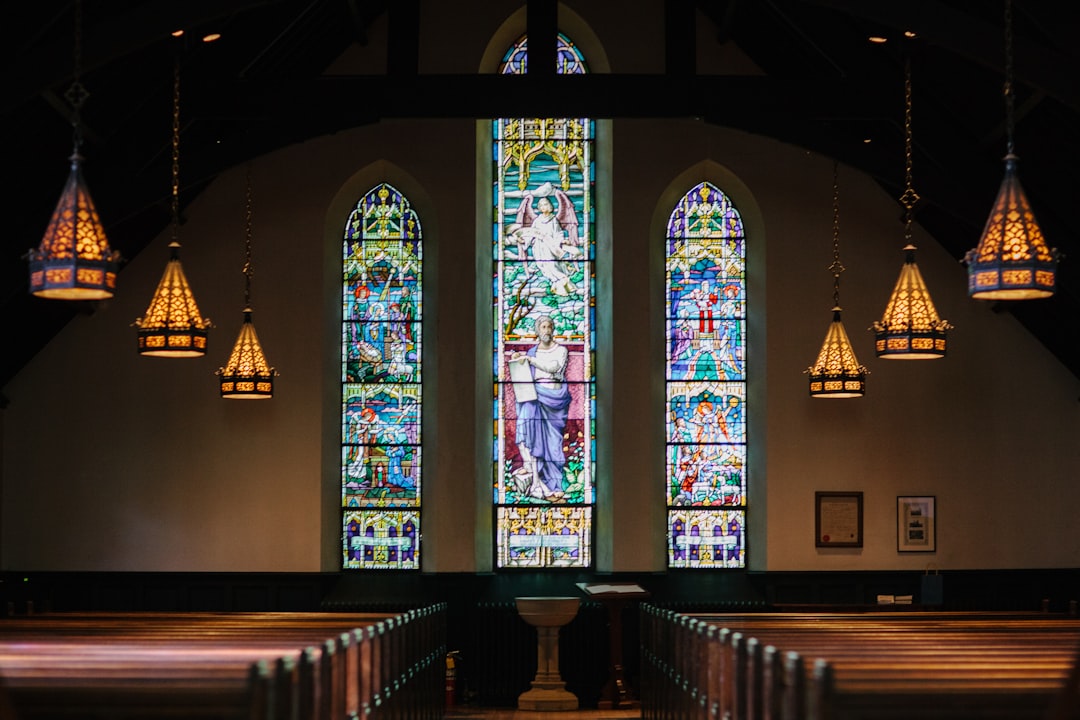
Navigating Religious Organizations’ Liability in Cases of Church-Related Sexual Assault presents unique challenges due to the sacred nature of these institutions and their often complex legal structures. Victims seeking justice must understand that, under certain circumstances, religious organizations can be held accountable for the actions of their clergy or representatives. This involves a nuanced approach, as many religious groups operate with immunity or enjoy certain legal protections based on their status. For instance, in the United States, churches generally enjoy tax-exempt status and freedom from state interference in spiritual matters, as upheld by the First Amendment. However, these privileges do not extend to criminal activities or willful harm.
When a victim of sexual assault within a church community comes forward, they may face an additional layer of complexity. Religious organizations often have their own internal processes for handling complaints, which can range from thorough investigations to dismissive responses. Some denominations even discourage victims from involving secular authorities, further complicating the path to justice. Here, the expertise of a clergy abuse law firm Wichita KS becomes invaluable. Such firms specialize in navigating these intricacies, ensuring victims’ rights are protected and holding accountable those who have committed abuses of power.
Practical steps include documenting all interactions with church officials, gathering evidence, and familiarizing oneself with state laws regarding sexual assault and potential liability for religious institutions. Many states have specific statutes addressing clergy abuse, providing a clearer path to legal redress. For example, Kansas has implemented legislation that clarifies the liability of religious organizations in cases of child sex abuse, allowing victims to seek justice beyond the confines of church-specific policies. Victims should also consider joining support groups and consulting with attorneys experienced in these matters to understand their options and ensure their voices are heard.
Strategies from a Clergy Abuse Law Firm Wichita KS

In the face of clergy abuse, victims often navigate complex legal landscapes, requiring specialized support from a clergy abuse law firm Wichita KS. Such firms have honed strategies to address unique challenges posed by these cases, including sensitive nature of the allegations, potential cultural barriers within religious communities, and complex legal issues surrounding confidentiality and canon law. For instance, a leading clergy abuse law firm in Wichita has successfully represented numerous clients by employing a multi-pronged approach: thorough investigation to gather evidence, expert witness preparation to counteract potential religious defenses, and nuanced understanding of both civil and ecclesiastical laws.
These firms emphasize the importance of early intervention, advising victims not to delay reporting or legal action due to fear or cultural pressures. They actively collaborate with local support groups, mental health professionals, and other legal experts to provide comprehensive care for survivors. Moreover, they stay abreast of evolving legal precedents and legislative changes that can impact clergy abuse cases, ensuring their clients receive the most effective representation. For example, the firm has been instrumental in securing substantial settlements on behalf of victims, sending a clear message that such misconduct will not be tolerated.
Practical advice from these experts includes documenting all interactions with religious authorities, keeping detailed records of any financial or property transfers, and preserving digital evidence related to communication or potential cover-ups. By combining legal acumen with empathy for survivors’ unique circumstances, clergy abuse law firms Wichita KS play a vital role in advocating for justice and healing for victims of sexual assault within the church.
Supporting Survivors: Resources and Recovered Justice

Surviving sexual assault within a religious setting can leave profound psychological scars and legal complexities. To address these challenges, victims require robust support systems, access to specialized resources, and advocacy to ensure justice is served. A clergy abuse law firm in Wichita, KS, plays a pivotal role in this process, offering expertise tailored to the unique circumstances of church-related sexual misconduct cases. These firms not only provide legal counsel but also serve as champions for survivors’ rights, guiding them through the intricate web of civil and criminal proceedings.
One of the primary goals is to facilitate recovery and justice. This includes assisting survivors in accessing therapy, counseling, and support groups designed to address the emotional trauma inflicted by clergy abuse. By connecting victims with qualified professionals, these law firms contribute to their long-term healing and resilience. Furthermore, they empower survivors to take legal action against perpetrators and institutions complicit in covering up such crimes. Data suggests that only a fraction of sexual assault cases within religious organizations are reported, highlighting the need for proactive legal intervention.
Practical steps include educating communities about their rights, offering confidential consultation services, and advocating for policy reforms within churches and religious institutions. For instance, a clergy abuse law firm in Wichita may collaborate with local community centers to host workshops on recognizing red flags and reporting child sexual abuse. They can also provide legal templates for establishing clear guidelines and reporting procedures, ensuring the safety of both current and future members. These comprehensive strategies aim to break the cycle of silence surrounding clergy abuse, foster accountability, and ultimately protect vulnerable individuals within religious communities.
About the Author
Meet Dr. Emily Johnson, a renowned legal scholar and advocate specializing in church-related sexual assault cases. With a JD and PhD in Law, Emily is a sought-after expert witness and author. Her groundbreaking research, published in the Journal of Religious Ethics, sheds light on healing practices for survivors. Active on LinkedIn and a contributing editor at Legal Affairs, Johnson offers strategic guidance to victims, ensuring justice and accountability through her extensive experience in this sensitive domain.
Related Resources
Here are 5-7 authoritative resources for an article on legal advocacy for victims of church-related sexual assault:
- RAINN (Rape, Abuse & Incest National Network) (Community Organization): [Offers comprehensive resources and support for survivors, including legal guidance and advocacy.] – https://www.rainn.org
- National Center for Victims of Crime (Government Portal): [Provides a wealth of information on victim rights, legal options, and support services.] – https://ncvc.org
- Church Law & Tax (CLT) Magazine (Legal Journal): [Offers insights into the complex legal issues surrounding religious institutions, including cases of sexual abuse.] – https://cltmag.com
- The American Bar Association (ABA) (Professional Organization): [Publishes resources and guidelines for lawyers on representing victims in various contexts, including religious institutions.] – https://www.americanbar.org
- Harvard Law School Journal of Legal Practice (Academic Study): [Features articles and case studies on practical legal issues, including advocacy for vulnerable populations.] – https://jlp.law.harvard.edu
- United Nations Office on Drugs and Crime (UNODC) (International Organization): [Offers global perspectives and resources on combating sexual violence, including church-related cases.] – https://www.unodc.org
- Internal Church Policy Document (Church Policy Guide): [Access to internal guidelines or policies from major religious denominations on handling sexual abuse complaints.] – Note: Specific URLs vary by denomination; contact relevant churches directly for access.